
Safety before speed. Always.
Petroleum products are hazardous. Our HSE management system governs how we store, move and deliver them — protecting our people, our customers and the communities we operate in.
Our commitment
The HSE policy is signed by the President and applies to every employee, driver, contractor and terminal.
Noor Al-Faroq Trading Co. is committed to conducting all of its activities in a manner that protects the health and safety of its employees, contractors, customers and the public, and that minimises impact on the environment.
No commercial objective justifies compromising safety. Every employee has the authority and the duty to stop any operation that is unsafe.
Health
Protecting the wellbeing of the people who handle our products.
- Medical checks for drivers and terminal staff
- Fatigue management and driving-hour limits
- PPE issued and enforced at every site
- First-aid kits and trained first-aiders on every tanker and terminal
Safety
Engineering, procedures and training that prevent incidents.
- Tanker inspection and pressure testing programme
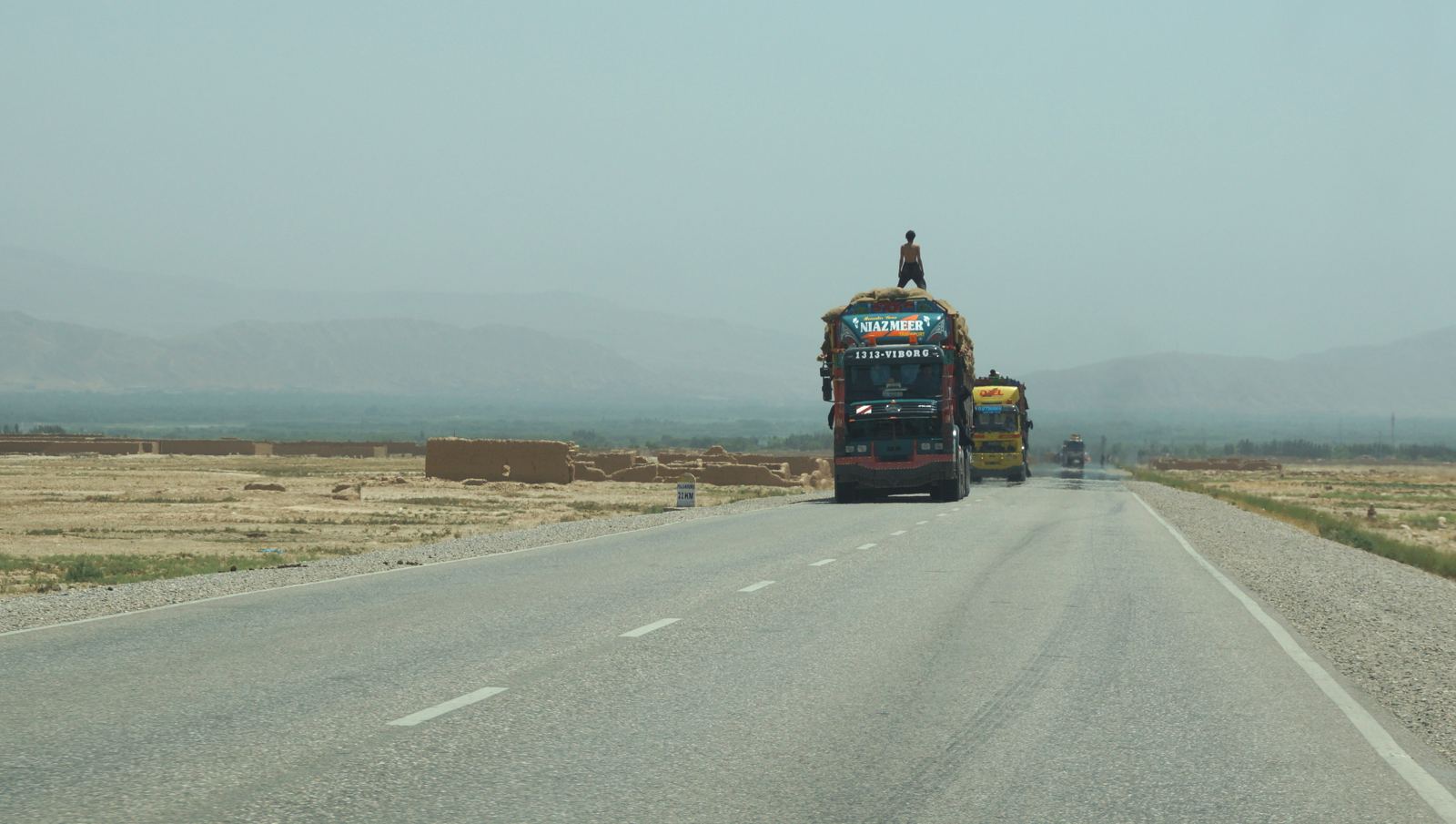
- Journey management, GPS tracking and speed limits
- Permit-to-work for loading, maintenance and hot work
- Fire-fighting systems and spill kits at all terminals
- Incident reporting, investigation and lessons learned
Environment
Minimising the footprint of storing and moving fuel.
- Bunded tanks and sealed loading gantries
- Vapour-loss control and leak detection
- Spill response plans and contaminated-soil handling
- Low-sulphur products that cut vehicle emissions
- Waste oil and packaging collected for recycling
The rules we work to
Afghan regulations set the baseline; international standards define our target.
ANSA quality standards
Every consignment tested by the Afghanistan National Standards Authority at the border before release.
ISO 9001 / 14001 / 45001
Management system aligned to the international quality, environmental and occupational-safety standards.
Dangerous-goods transport
Tanker construction, placarding, driver training and journey rules based on ADR principles.
Fire & emergency response
Terminal fire protection, emergency response plans and regular drills with local authorities.
Terminal operating standards
Tank integrity inspection, bunding, gauging and product-segregation procedures.
Legal compliance
Ministry of Industry & Commerce licensing, customs and tax obligations, and municipal permits for terminals.
Competent people, properly equipped
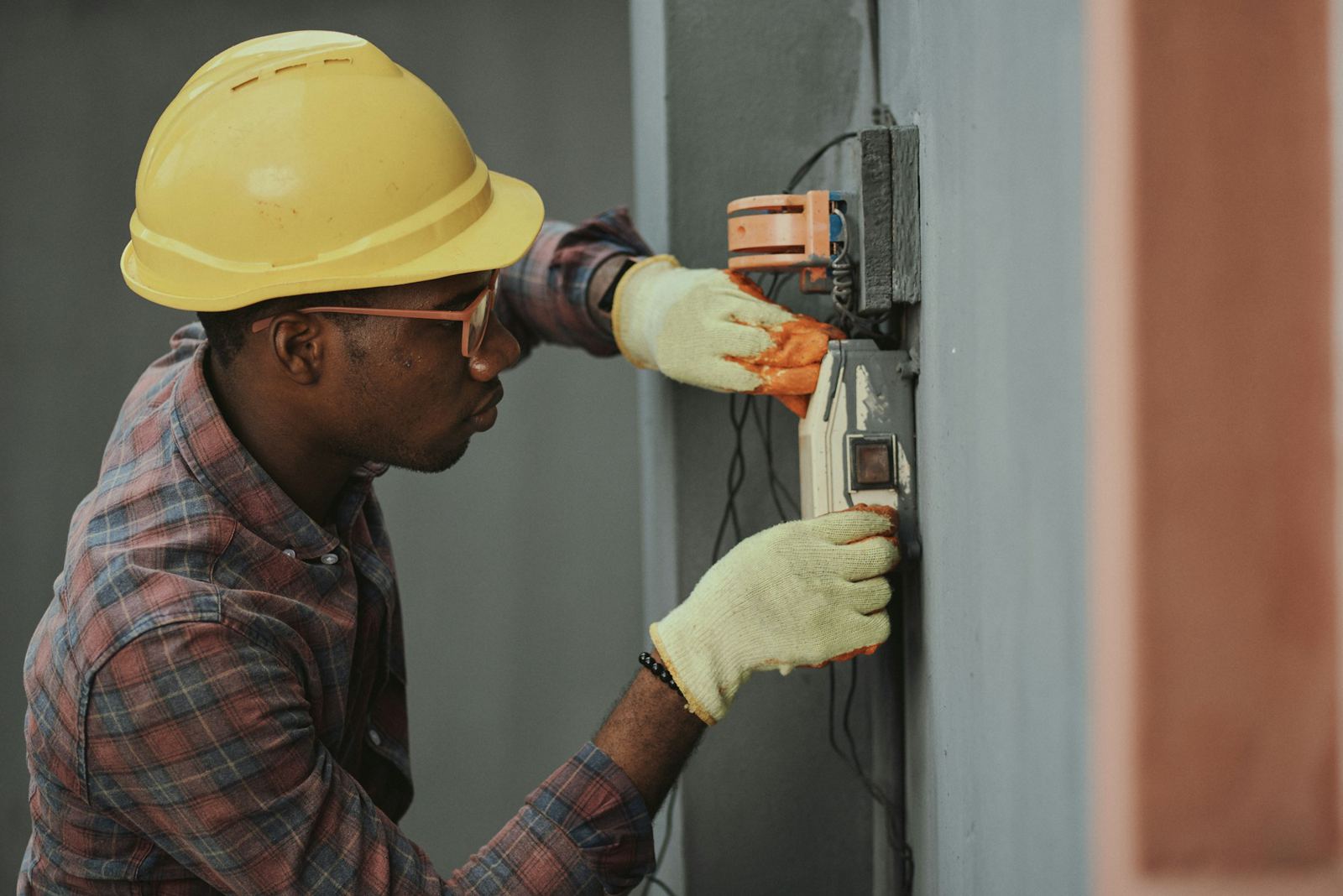
Every driver, loader and terminal operator completes induction and refresher training before working with our products.
- Defensive driving and hazardous-goods handling for all drivers
- Loading, unloading and static-electricity control procedures
- LPG-specific training: gas detection, leak response, cylinder handling
- Fire-extinguisher and spill-kit drills every quarter
- PPE standard: helmet, flame-resistant clothing, safety boots, gloves, eye protection
Cleaner fuel, cleaner operations
We reduce environmental impact both through the products we choose and the way we handle them.
Low-sulphur products
We prioritise K4/K5 diesel and petrol, cutting sulphur emissions from vehicles and generators.
Spill prevention
Bunded storage, sealed transfers and spill kits on every tanker.
Waste management
Used oil, filters and packaging collected and passed to licensed recyclers.
Community
Safe routing away from residential areas and support for local road-safety initiatives.
Report a safety concern
Anyone — employee, driver, customer or member of the public — can report an unsafe condition or incident. Reports are investigated and can be made anonymously.